Breath & Balance Logo Breath & Balance Contact Us
Contact Us
Person practicing breathing exercises in a calm office setting with natural light

Building Your Personal Calming Routine

Combine techniques into a routine that works for your schedule. Real examples from people managing stress in office and home settings.

11 min read Intermediate March 2026

Why a Personal Routine Matters

You’ve learned breathing techniques. You understand how your nervous system responds to controlled breathing. Now comes the practical part — actually using these tools when you need them most. That’s where a personal calming routine makes all the difference.

A routine isn’t complicated. It’s simply a sequence of techniques you’ve already learned, arranged in a way that fits your life. Some people do it at their desk during lunch. Others practice at home before bed. The best routine is the one you’ll actually use.

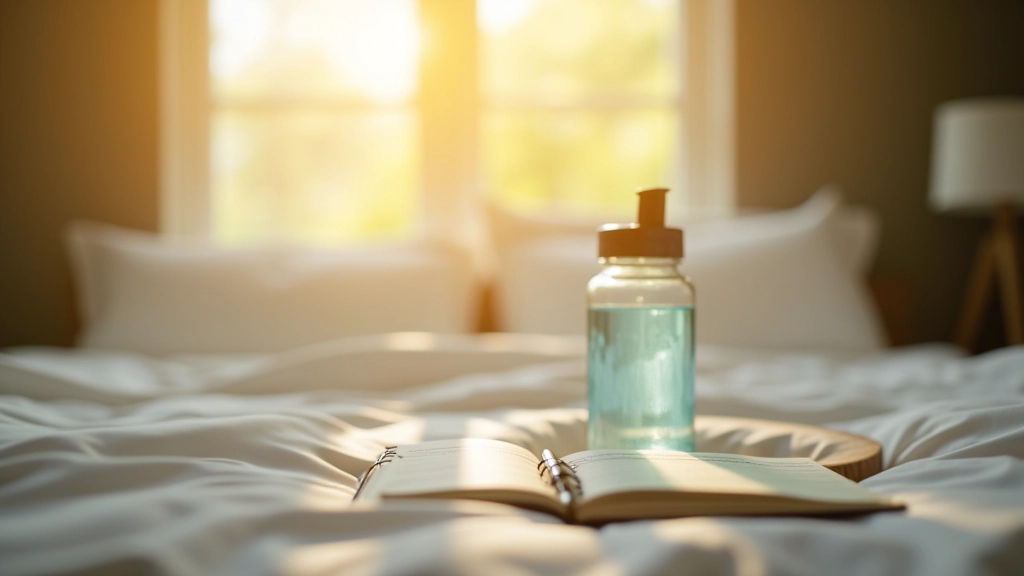
Morning routine with notepad, water bottle, and natural window light in bedroom

The Three-Part Framework

Most effective routines follow a simple structure. You’re not creating something from scratch — you’re organizing what you already know into a logical flow. Think of it like this: preparation, practice, and integration.

The preparation phase takes 2-3 minutes. You get into position, settle your mind, and signal to your body that something important is happening. This might be as simple as sitting up straight, putting your phone away, or closing your eyes. Your body recognizes these signals.

The practice phase is where the actual techniques happen. You’ll do diaphragmatic breathing or box breathing or a body scan. You’re not rushing. You’re spending 5-8 minutes on the technique that matches your situation. At work? Box breathing works fast. Evening? A body scan helps you wind down.

Integration is the final 1-2 minutes. You’re returning to normal activity but you’re carrying the calm forward. Your nervous system stays settled. You notice the difference.

The numbers that matter: 2-3 minutes setup + 5-8 minutes practice + 1-2 minutes integration = 10 minutes total. Most people can find 10 minutes somewhere in their day.
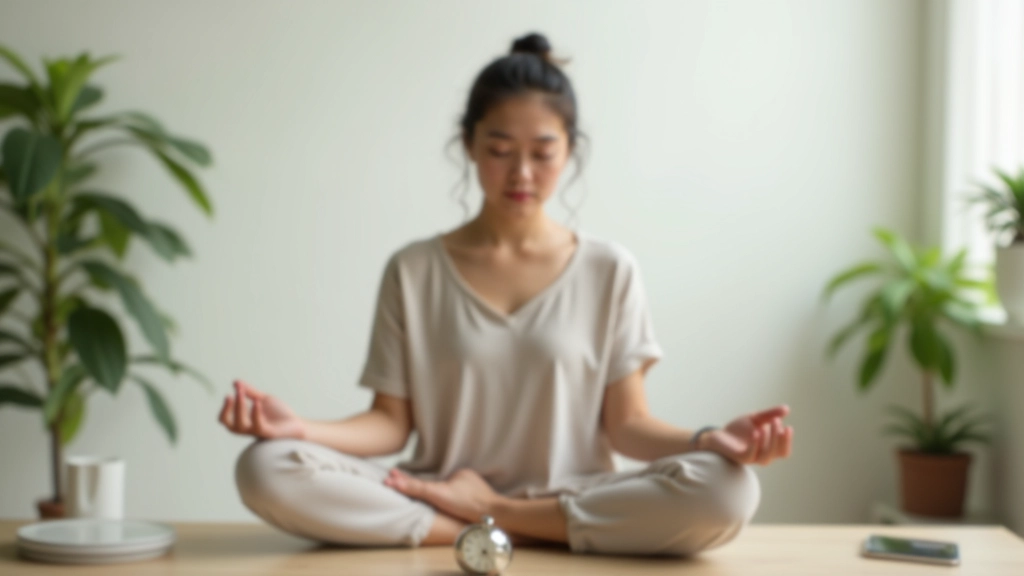
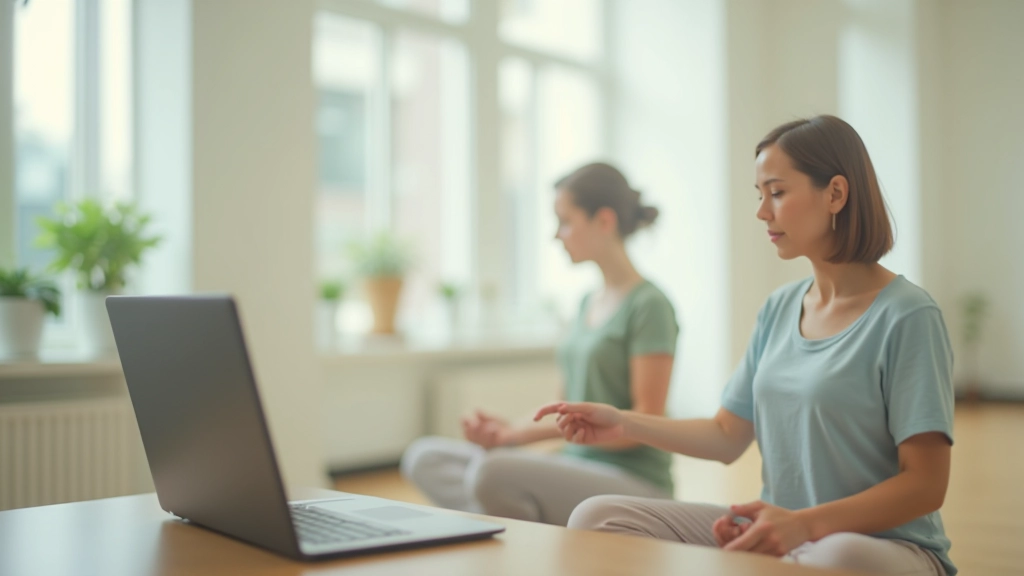
Timer showing five minutes with person meditating, minimalist desk workspace

Important Note

This guide provides educational information about relaxation techniques and stress management strategies. The breathing and body awareness methods described are general wellness practices intended to support your wellbeing. If you experience severe anxiety, panic attacks, or have underlying health conditions, consult with a healthcare professional before starting any new practice. These techniques complement but don’t replace professional mental health support.

Real Routines from Real People

Alexis — Office Worker, Manila

2:00 PM, after lunch at desk

I close my office door for five minutes. Can’t do a full meditation — my boss would notice — but I can disappear. I do box breathing for 4 minutes, then just sit there for a minute. My shoulders come down. I’m not stressed about the 3 PM meeting anymore. It’s become automatic. First few times I had to think about it. Now my body knows what’s happening when I shut the door.

Carmen — Teacher, Quezon City

9:00 PM, before bed

My kids are asleep. My husband is watching TV. I’m in bed with the lights dimmed and I do a body scan for about 8 minutes. I start at my toes and work up. I don’t have to think about breathing — it just happens. The scan helps me notice where I’m holding tension. By the end I’m relaxed enough to actually sleep. I wasn’t sleeping well before. Now I use the routine and I’m out within 20 minutes.

Robert — Traffic, Commute Home

5:30 PM, stuck in EDSA traffic

I’m in the car. Nothing I can do about the traffic. So I do diaphragmatic breathing while I wait. Just long, slow breaths. Takes the edge off. I don’t arrive home already angry at everyone. My family notices the difference. Sounds simple but it actually works. Some days I’m more patient just because I took 10 minutes to breathe properly.

Building Your Own Routine

Start by answering three questions. When do you need this most? Morning stress before work? Afternoon overwhelm? Evening tension? Be honest about timing. Your routine only works if it fits into actual moments in your day.

Next, which technique calls to you? You’ve learned three. Diaphragmatic breathing is foundational — it works everywhere. Box breathing is fast — good for sudden stress. Body scan takes longer but provides deep release. Pick one. You can add others later but start with one you believe in.

Then, where will you do this? At your desk? In your car? On your couch? In the bathroom? Choose somewhere realistic. You don’t need a special space. You need a place you can actually access when you need it.

The final piece is consistency. Not perfection. You don’t need to do this every single day. But three times a week is where real change happens. That’s when your nervous system starts to learn the pattern. After a few weeks, your body recognizes what’s happening and settles faster.

Notebook with routine plan written out, pen and coffee cup on wooden desk
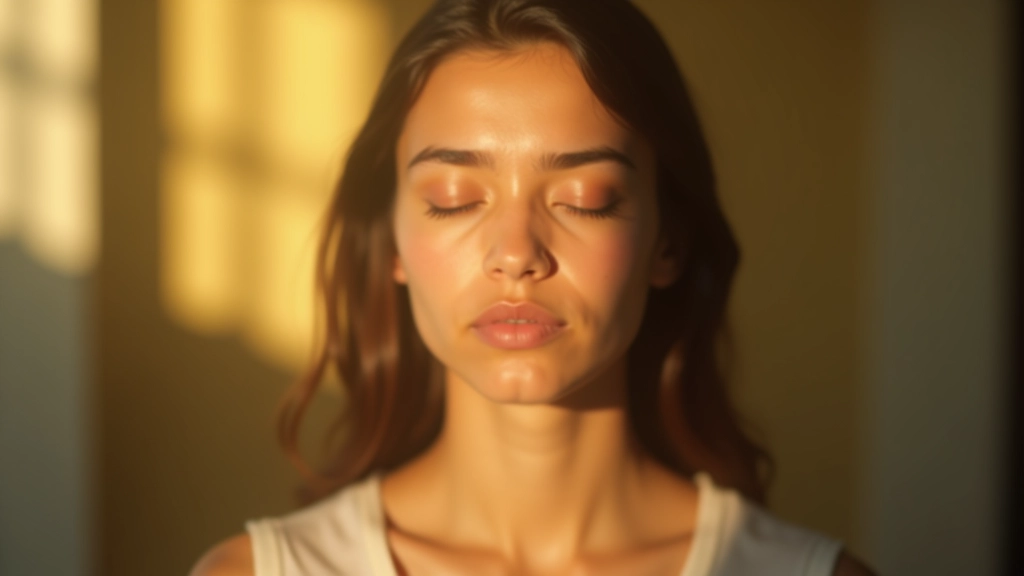
Person with eyes closed, peaceful expression, natural sunlight on face indoors

Going Deeper After Four Weeks

Once your routine is established, you might want to expand it. Some people combine techniques. They’ll do 3 minutes of diaphragmatic breathing to settle their nervous system, then add 5 minutes of body scan to release physical tension. That’s 8 minutes total but it feels more complete.

Others add a grounding element. After breathing, they’ll name five things they can see, four they can touch, three they can hear, two they can smell, one they can taste. This brings awareness to the present moment. It’s especially helpful if your stress is future-focused.

The key is listening to what your nervous system is telling you. If the routine works, don’t change it. If it starts feeling automatic in a bad way — like you’re going through motions without feeling the benefit — then it’s time to evolve.

You’re not starting from zero anymore. You’ve trained your body. You know how to access calm. Now you’re just refining what works best for you.

Your Routine Starts Now

You don’t need to be perfect. You don’t need a special app or special space. You need a technique you’ve learned, a time that works for you, and the commitment to try it three times. That’s all.

Your nervous system will respond. It might not be dramatic. You might not notice a huge difference after one session. But after three weeks, you’ll realize something shifted. You’re less reactive. Your stress takes longer to build. Your recovery is faster.

That’s what a personal calming routine does. It doesn’t eliminate stress. It changes your relationship with stress. And that changes everything.

Maria Santos

Maria Santos

Senior Wellness Educator & Nervous System Specialist

Health psychologist and breathwork specialist with 12 years of experience designing stress management solutions tailored to Filipino work culture.