Breath & Balance Logo Breath & Balance Contact Us
Contact Us
Person practicing diaphragmatic breathing in a calm office environment with natural light
6 min read Beginner April 2026

Diaphragmatic Breathing: The Foundation

Master the technique that signals your nervous system to calm down. Start with just five minutes at your desk.

Most of us breathe without thinking about it. Shallow, quick breaths that keep our nervous system in a low-level state of alert. It’s not your fault — that’s how modern work culture trains us. But there’s a different way. When you breathe from your diaphragm, you’re literally telling your body it’s safe to relax.

Diaphragmatic breathing — also called belly breathing — is the foundation for every relaxation technique we’ll explore. It’s not complicated. It’s not something you need special equipment for. You just need to understand what’s happening inside your body and then practice for five minutes a day.

Why Your Diaphragm Matters

Your diaphragm is a large muscle that sits below your lungs. When you breathe deeply, it contracts and moves downward, creating space for your lungs to fill. Your belly expands. This is how humans naturally breathe — watch a sleeping baby and you’ll see it immediately.

But somewhere around age five, many of us stopped breathing this way. We learned to hold our stomachs in. We started breathing from our chest instead. Now most adults take shallow chest breaths all day long. And that shallow breathing keeps your nervous system activated.

The nervous system connection: Your vagus nerve runs from your brain down through your diaphragm. Deep diaphragmatic breathing activates this nerve, which signals your parasympathetic nervous system — your body’s “rest and digest” mode. Shallow breathing does the opposite.

This isn’t theoretical. You can feel the difference within minutes. Your heart rate slows. Your shoulders relax. That tightness in your chest loosens. You’re not fighting your body anymore — you’re working with it.
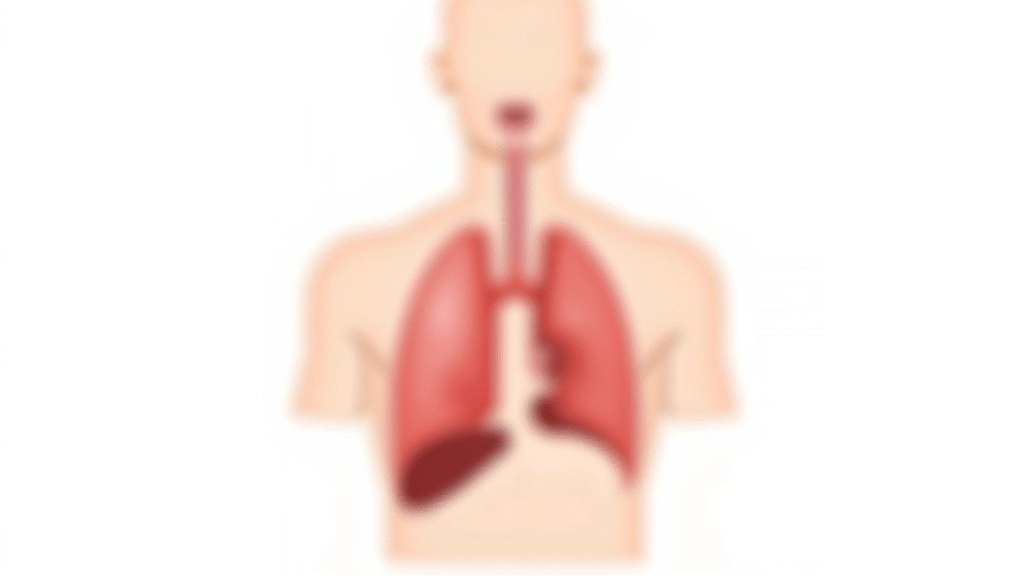

Anatomical diagram showing diaphragm position and breathing mechanics with relaxed posture
Person sitting at desk demonstrating proper posture for diaphragmatic breathing practice

The Technique — Step by Step

You don’t need to overthink this. The basic technique takes thirty seconds to learn. The practice takes five minutes.

1

Sit or lie down comfortably

Upright is better for work breaks. Your back supported, feet flat on the floor or crossed comfortably.

2

Place one hand on your belly

Just below your belly button. This helps you feel the movement. The other hand rests on your chest.

3

Inhale slowly through your nose

For a count of 4. Feel your belly expand outward. Your chest hand stays mostly still.

4

Exhale slowly through your mouth

For a count of 4 or 5. Your belly falls back in. You’ll feel tension releasing as you breathe out.

That’s it. Repeat this cycle for five minutes. Don’t force anything. Don’t try to breathe “perfectly.” The goal isn’t perfection — it’s consistency.

Educational note: This article provides information about breathing techniques for stress management. It’s not medical advice. If you have respiratory conditions, anxiety disorders, or other health concerns, consult with a healthcare professional before starting any new breathing practice. Everyone’s nervous system responds differently — what works for one person might need adjustment for another.

When to Practice (And When It Works Best)

The best time to practice diaphragmatic breathing is when you first notice stress building. Before the meeting. Before the difficult conversation. Before your anxiety spirals. That’s when it’s most effective.

But here’s what we’ve found with busy Filipino work schedules: five minutes before you need it isn’t always realistic. So practice when you can. Early morning. Lunch break. Before bed. The more you practice when you’re calm, the faster your body responds when you’re stressed. It’s like training a muscle — repetition builds strength.

  • Morning ritual: Five minutes after you wake up, before checking your phone. Sets your nervous system for the day.
  • Work break: Mid-morning or after lunch. Even three minutes makes a difference in how you handle afternoon stress.
  • Commute: In traffic, on the jeepney, on the MRT. You’re already sitting still — use that time.
  • Evening wind-down: Before dinner or before bed. Helps your body transition from work mode to rest mode.
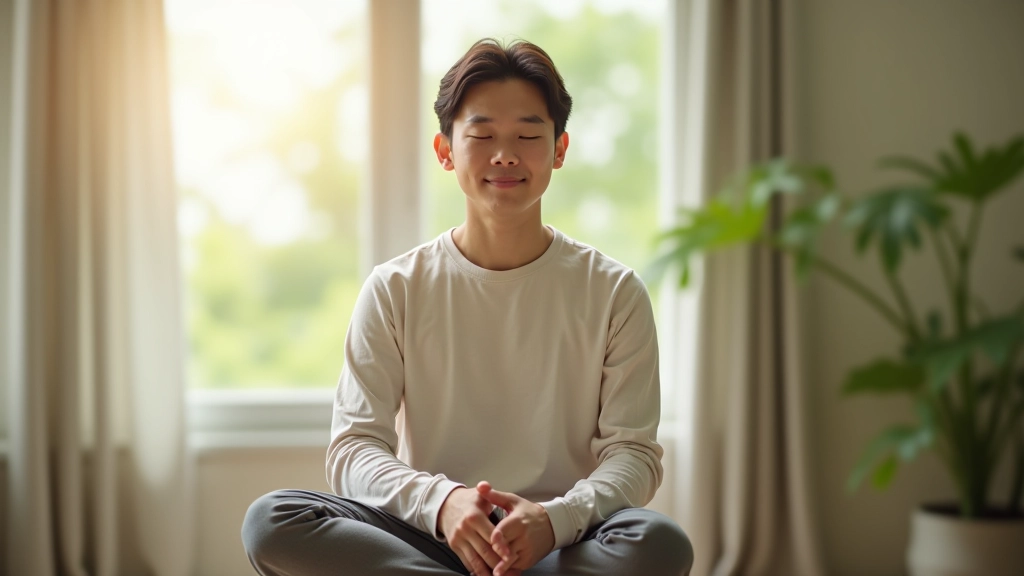
Morning routine scene with person in comfortable clothing near a window with natural light, peaceful setting

What Changes After Two Weeks

You won’t transform overnight. But if you practice for five minutes daily for two weeks, you’ll notice real changes:

Your stress response slows down

Instead of immediate panic, you’ll feel a small pause. That pause is where you get control back.

Sleep improves

Your nervous system winds down more easily at night. You fall asleep faster and sleep deeper.

Physical tension releases

That tightness in your shoulders and jaw? It loosens. You notice you’re holding tension and can actually let it go.

Focus sharpens

When your nervous system isn’t constantly activated, your brain can actually concentrate. Work becomes less exhausting.

The Foundation Is Everything

Diaphragmatic breathing isn’t fancy. It won’t change your life in a week. But it’s the foundation everything else builds on. Box breathing, body scans, meditation — they all work better when you’ve trained your body to actually use your diaphragm properly.

Start today. Five minutes. That’s all. Notice how your body feels. Notice how your mind feels. Then do it again tomorrow. That’s how real change happens — not through heroic effort, but through consistent small practice.

Ready to build your relaxation practice? Explore other techniques that work with diaphragmatic breathing.

Explore Box Breathing
Maria Santos, Senior Wellness Educator

Author

Maria Santos

Senior Wellness Educator & Nervous System Specialist

Health psychologist and breathwork specialist with 12 years of experience designing stress management solutions tailored to Filipino work culture.